TACUNA comprises 3 workshops, with content based on the behavioral, physical, and spiritual domains of the Medicine Wheel. TACUNA is designed to help AI/AN emerging adults think through how to make healthy choices surrounding opioid, alcohol, and other drug use, and ways to get support from their social networks to engage in traditional ways of life.
Logo designed by Robert Young (Pueblo of Acoma)
Programs > TACUNA

Each workshop lasts approximately 1 hour, with 30 minutes for the motivational interviewing discussion and 30 minutes for the cultural activity. TACUNA also includes Wellness Circles featuring Native American people across the United States discussing topics such the Medicine Wheel, song and dance in Native culture, understanding uses of Native plants, and healing through cultural practices and traditions.
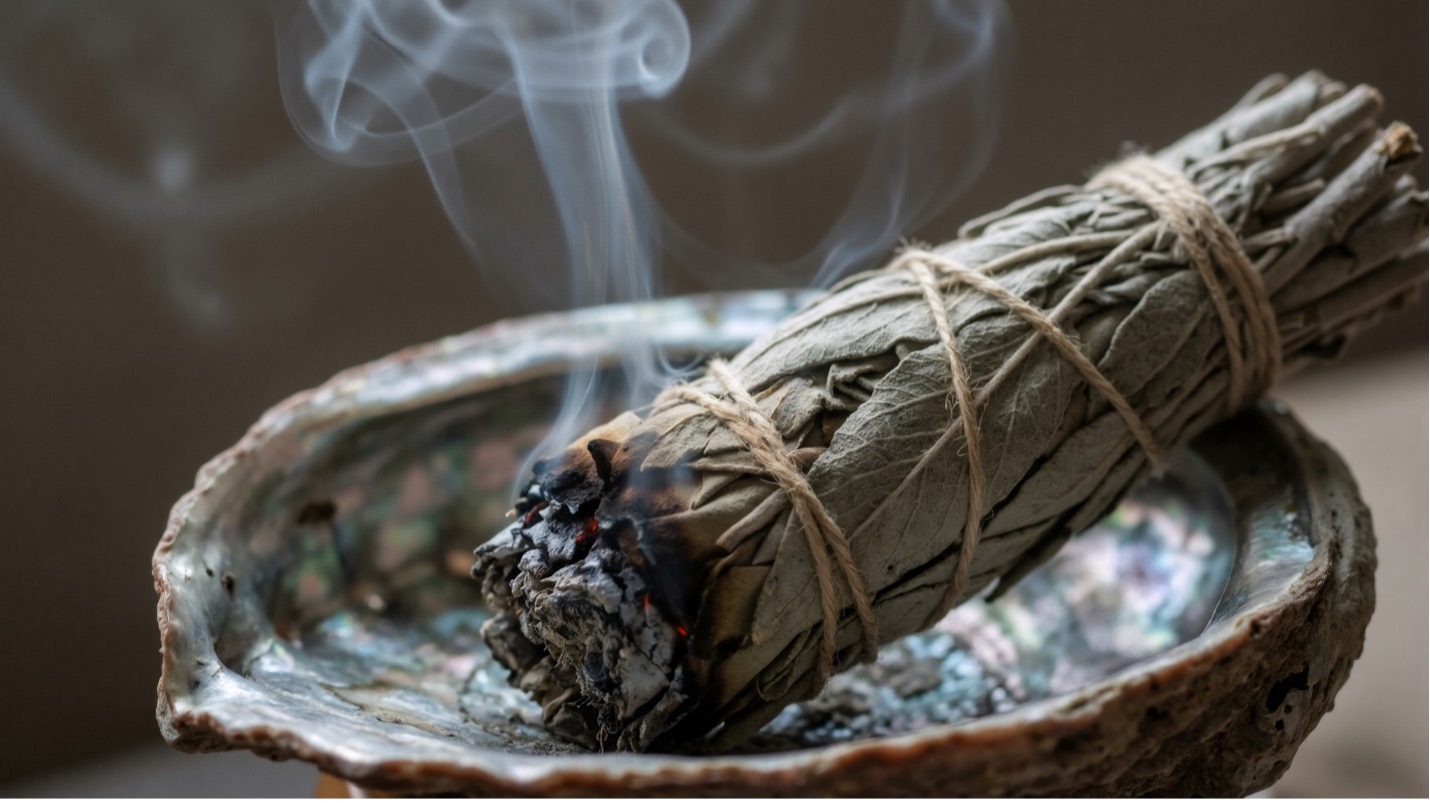
The program was developed for urban American Indian/Alaska Native (AI/AN) emerging adults aged 18-25 with input from health providers, parents, and AI/AN emerging adults. The TACUNA curriculum uses familiar concepts from the MICUNAY program but is aimed at an older audience. Based on feedback from our focus groups, TACUNA adds a discussion focused on AI/AN emerging adults’ social networks, allowing participants to understand how their network structure and composition can influence choices to use substances and to participate in traditional practices. Smudge ceremony, prayer, and storytelling are a few of the Native American traditions that are incorporated into the TACUNA 1-hour workshops. Participants can begin at any workshop and end with any workshop; the workshops do not need to be attended in order.
Workshop 1
This workshop provides an opportunity for young adults to learn about the behavioral dimension of the Medicine Wheel. The workshop first focuses on social networks. Participants first review pictures of their own networks and discuss what they notice in the images. They discuss how the types of people they know, and the relationships among these people may affect their own alcohol and drug use. They also discuss how people in their networks may affect their experience of being AI/AN, such as engagement in traditional practices.
The workshop next focuses on how the brain works and the effects of drugs and alcohol on the brain. Participants learn about the areas of the brain and examine handouts and scans that show how cannabis use and other substances affect brain activity. They discuss how this information may affect their own use of opioids, alcohol, and other drugs.
Finally, this workshop concludes with storytelling, centered around what it means to be AI/AN, and thinking about one’s own cultural identity. An exercise about how one might tell a story, orally or otherwise, can help participants think about their own cultural identity and heritage.
Workshop 2
This workshop provides an opportunity for participants to learn about the physical dimension of the Medicine Wheel. It first focuses on the Path of Choices and how different people in participants’ lives may support healthy or risky choices. The workshop helps participants identify the social, psychological, and physical consequences of alcohol, opioid, and marijuana use and reinforces how to make healthy choices by focusing on alternative things people can do instead of using substances. Participants are also asked to imagine their willingness and confidence to keep or change their social networks to be supportive of healthy choices for the future.
The workshop ends with a cultural activity focused on learning about AI/AN food traditions and preparation. Participants are introduced to AI/AN cuisine and are given an opportunity to learn about the traditions behind AI/AN food and cooking that have been a part of AI/AN culture for many centuries. Facilitators have a choice of different cooking videos they can show to generate more discussion around AI/AN cooking.
Workshop 3
This workshop provides an opportunity for participants to learn about the spiritual dimension of the Medicine Wheel. It first focuses on things that may happen when people use alcohol or drugs, such as having unprotected sex. Young adults also talk about their social networks and how these networks can increase risk in situations or can be protective.
The Wheel of the Future game helps participants set goals and discuss how reaching these goals may be affected by different events that can happen due to alcohol and drug use. Willingness and confidence rulers are revisited in this workshop.
The cultural activity focuses on the spiritual dimension of life, which may include prayer, sage, and smudging ceremonies. Participants are offered an opportunity to talk about spirituality in their lives and ways in which they incorporate different traditions.
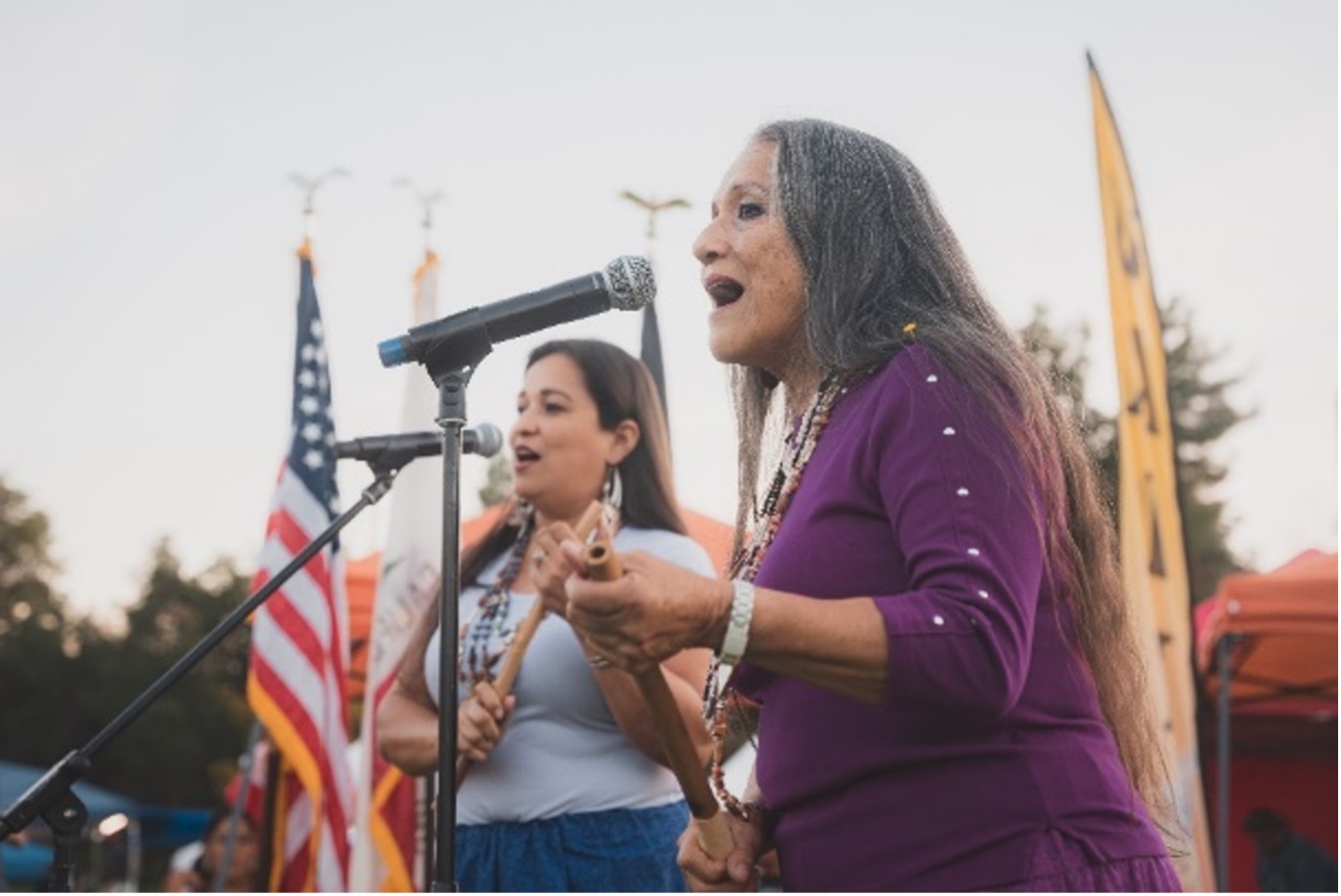
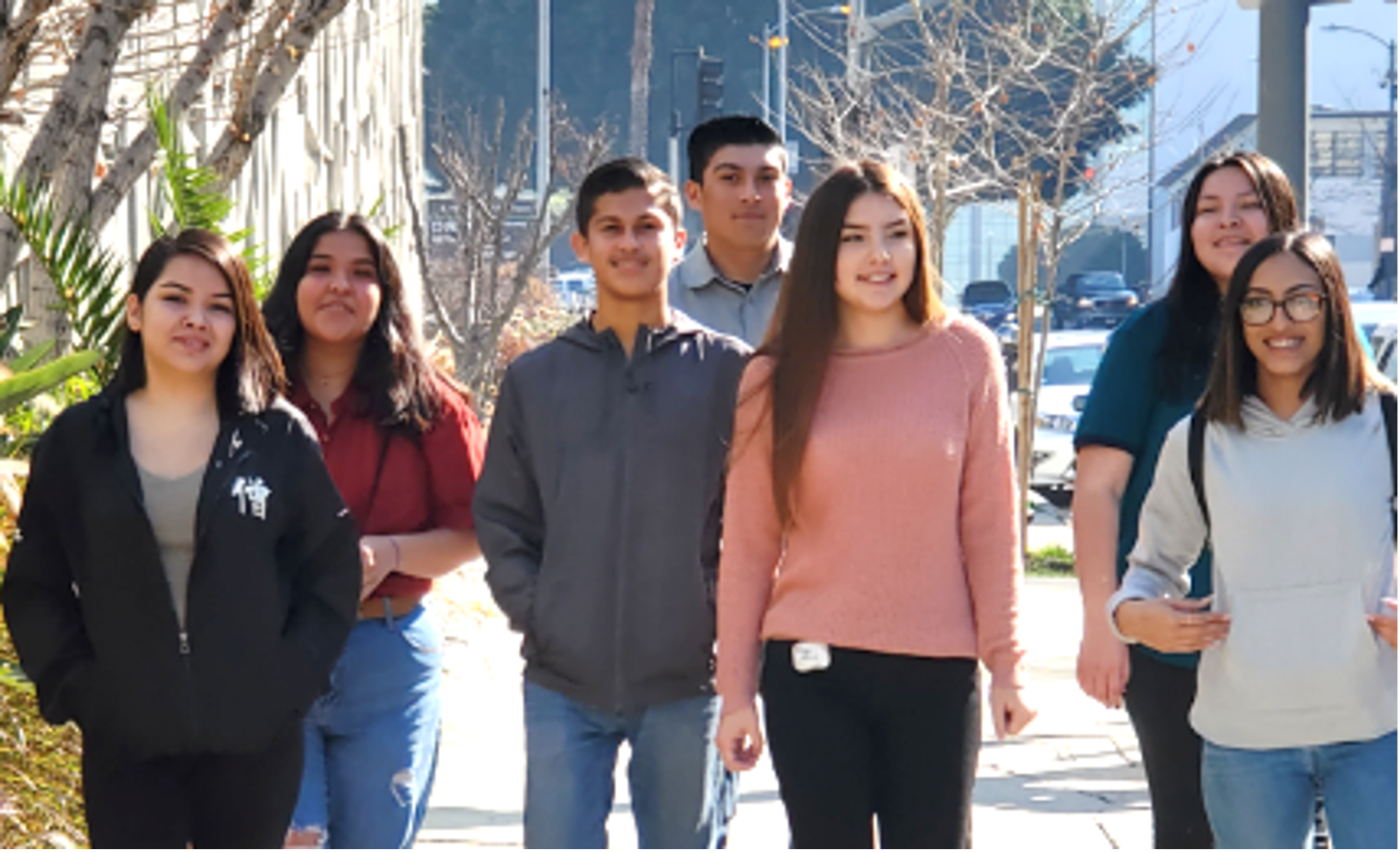
All young people depicted are models.
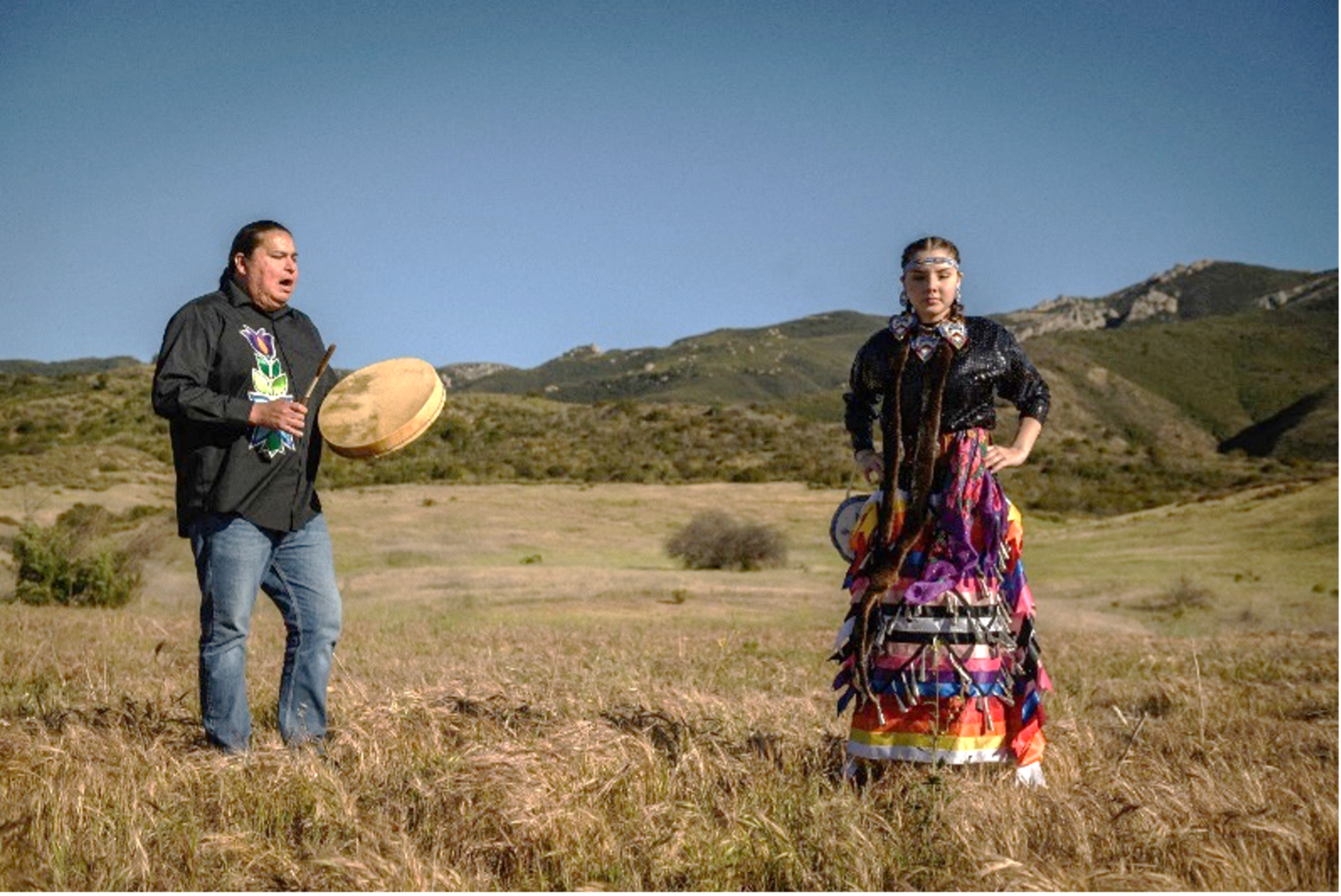
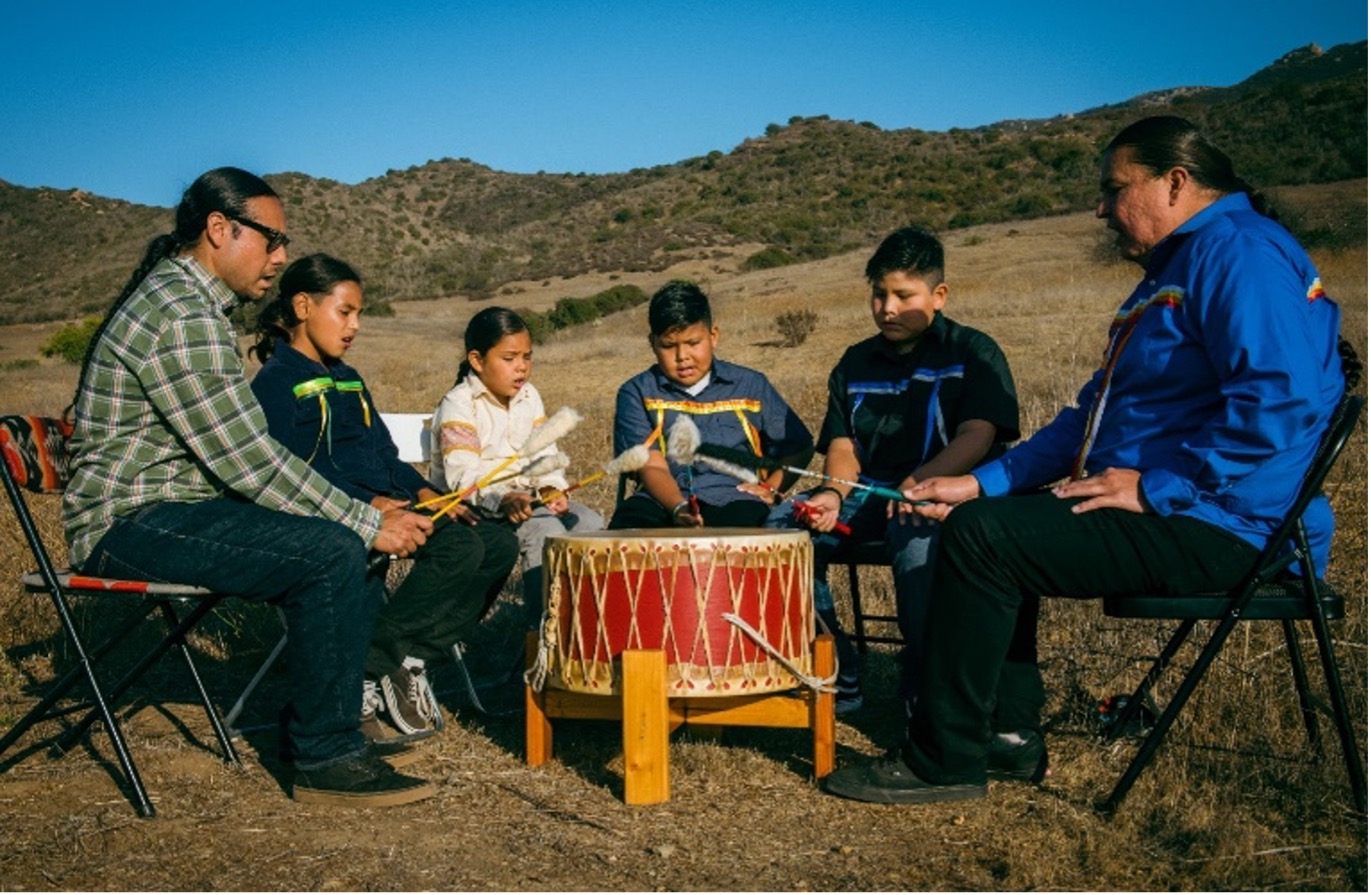
Participants have the opportunity to learn more about connecting with their culture, build positive social connections, and make healthy choices.
Kurt Schweigman, MPH
Public Health Consultant (Oglala/Sicangu)